

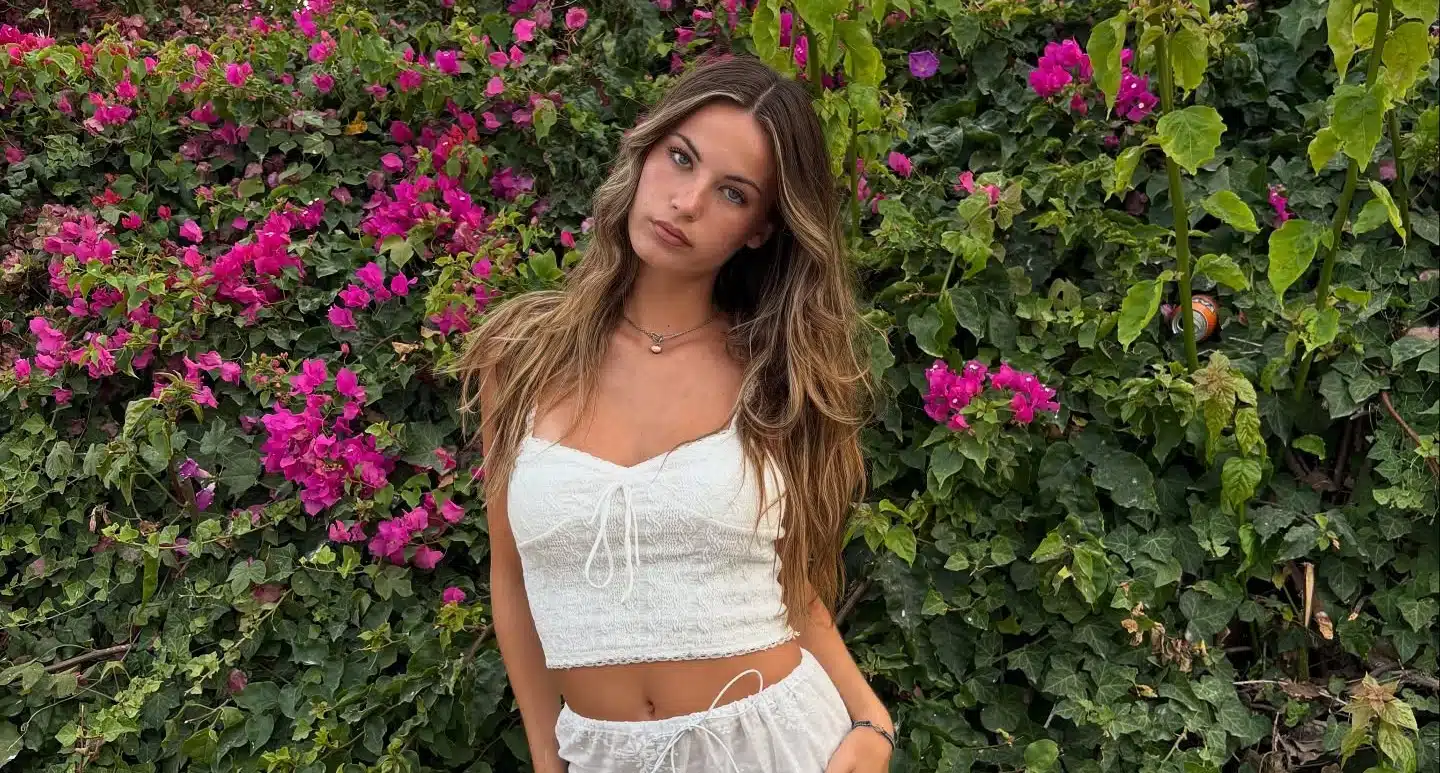
Introduction: This report explores the rise and continuing journey of Spanish singer Charlotte Summers, from her childhood beginnings to her current career. We will delve into her early musical influences and origins in Marbella, the breakthrough talent-show moments that placed her on the international stage, and how that exposure immediately impacted her career and public image. Moving chronologically, we’ll trace Charlotte’s evolution as an artist – her original releases, notable live performances, collaborations, and even ventures outside of music – highlighting how her music and style have matured over time. We also examine the challenges and opportunities Charlotte has faced in sustaining fame after a talent show spotlight, situating her story in the wider context of today’s pop/indie music scene: the economics of streaming and social media, the pressures on young singer-songwriters, and the difference between her global following and U.S. presence. Additionally, we consider Charlotte’s influence on fans and youth culture – how she has inspired other young performers and how media narratives around her have shifted from the “child prodigy” label to her identity now as a young adult artist. Finally, we wrap up with insights from interviews, social media, and fan forums, and offer perspective on where her career might be heading next.
Early Beginnings and Musical Influences (2005–2016)
Charlotte Summers was born on November 15, 2005, in Marbella, on Spain’s southern coast[en.wikipedia.org]. Music touched her life from an early age – she reportedly began piano lessons at age five[essentiallypop.com], and her natural talent quickly became apparent. By the age of eight, Charlotte made her first stage appearance in a local production of Les Misérables, portraying young Éponine[en.wikipedia.org][essentiallypop.com]. This early theatrical experience honed her performance skills and confidence on stage.
Growing up, Charlotte was inspired by a wide range of musical icons. In interviews she has cited powerhouse vocalists across eras as her idols – from classic soul and pop legends like Whitney Houston and Amy Winehouse to contemporary stars like Beyoncé and Jennifer Hudson[t.co]. “I really like lots of singers and different types of music… I love old soul,” Charlotte explained when discussing her biggest musical inspirations[t.co]. These influences are reflected in the songs she gravitated toward as a young singer, often choosing soulful classics that belied her age.
Charlotte’s first brush with public recognition came through Spanish television talent shows. In 2015, at just nine years old, she competed on La Voz Kids (The Voice Kids Spain). Her gran potencia vocal (great vocal power) impressed the coaches on the show; Charlotte joined the team of coach Rosario Flores and advanced to the semifinals of that season[escplus.es]. Though she didn’t win, this experience introduced her to Spanish audiences as a “joven promesa” (young promise) in music[escplus.es].
The following year, 2016, Charlotte continued to build her résumé on the competitive circuit. She entered Fenómeno Fan, a nationwide talent competition aired on Disney Channel and other networks. There, at ten years old, she finished as the runner-up of the show’s second season[escplus.es]. Around the same time, she also won the Big Talent competition in the city of Málaga, a contest open to performers of all ages[escplus.es]. These early victories – ganando concursos de talentos in her home region – cemented her reputation as a child prodigy with a remarkably mature voice.
Beyond Spanish TV, Charlotte began making waves internationally before even hitting her teens. She participated in a number of youth music festivals abroad. Notably, she competed at the Viva la Música Orfeum festival (held in Tenerife, Canary Islands) where she earned the “Golden Trophy” in the Junior category[escplus.es]. She also represented Spain at the Eurokids International contest in Italy. In 2017, Charlotte performed an original song called “Unicorn” at Eurokids – and came away sweeping the awards. The 11-year-old won Best Original Song, Best Pop Performance, and Best Young Artist at the international event[escplus.es][escplus.es]. “Unicorn” was a significant milestone for Charlotte: it was her first original single, a track written by Swedish songwriters Ylva & Linda Persson with Georgios Kalpakidis that had once been a candidate to represent Cyprus in Eurovision 2015[escplus.es]. Charlotte’s powerful interpretation of “Unicorn” in Italy received high praise; songwriter Kalpakidis commented, “Todo ha sido gracias a la interpretación de la increíble cantante Charlotte. Me siento muy feliz y orgulloso” – everything was thanks to Charlotte’s incredible performance, he said, expressing pride[escplus.es]. The song’s success earned Charlotte international recognition as a performer and affirmed her potential beyond Spanish-language media.
By the end of her childhood phase, Charlotte Summers had built an impressive foundation. With stage experience in musical theater, deep roots in soul/R&B influences, and a shelf of trophies from Spanish and European competitions, she was poised for an even bigger breakthrough. Media in Spain already referred to her as “la pequeña cantante de once años” (the little 11-year-old singer) with an extraordinary voice[escplus.es]. The stage was set for Charlotte to step onto a larger, global platform – which is exactly what happened next.
Breakthrough on the International Stage: Talent Shows and Viral Fame (2017–2019)
Charlotte’s transition from local prodigy to international sensation was catalyzed by a series of high-profile television appearances and viral performances in her early teens. The year 2017 was pivotal: videos of her singing began circulating on social media, amassing views well beyond Spain[essentiallypop.com]. This online buzz helped Charlotte catch the attention of producers overseas. In fact, her viral fame led to an invitation to appear on NBC’s popular variety showcase Little Big Shots in the United States[essentiallypop.com].
In 2018, Charlotte traveled to the U.S. for Little Big Shots, marking her American TV debut at age 11[en.wikipedia.org]. She charmed host Steve Harvey and the audience with her poise and powerhouse vocals. Charlotte appeared on the show twice that year: in April 2018, she sat down for a chat with Harvey and then brought down the house with a rendition of James Brown’s “It’s a Man’s Man’s Man’s World”[en.wikipedia.org]. The performance left an impression – her mature soulful delivery, coming from a sixth-grader, was both unexpected and thrilling for viewers. She returned to Little Big Shots in December 2018 and delivered a holiday classic, “Please Come Home for Christmas,” again showing off a voice beyond her years[en.wikipedia.org]. These performances introduced Charlotte to a wide American audience as a “niña prodigio” with a golden voice, and clips of her singing circulated widely online.
Even before her U.S. TV debut, Charlotte had proven her talent on another side of the globe. She was invited to perform on a popular television program in Japan, described as a No.1 World vs No.1 Japan singing showdown[youtube.com]. On that show, Charlotte sang Frank Sinatra’s classic “New York, New York” – in English – and reportedly left the Japanese judges and celebrities “speechless and open-mouthed”[youtube.com]. Impressively, she won the competition on that Japanese TV special, beating out some of the best child singers from around the world[instagram.com]. This victory in Japan further demonstrated Charlotte’s global appeal: she could cross cultural and language barriers with her music. By age 12, she had performed on stages in Europe, Asia, and North America – a globe-trotting trajectory extremely rare for someone so young.
Charlotte’s true international breakout, however, came in 2019 when she competed on America’s Got Talent (AGT), one of the world’s biggest talent showcases. At 13 years old, she appeared in Season 14 of AGT and quickly became a standout act. From her very first audition, Charlotte captured the judges’ and audience’s attention. She chose the bluesy classic “I Put a Spell on You” (popularized by Nina Simone and Screamin’ Jay Hawkins) for her audition, delivering it with a throaty, fearless intensity that had all four judges on their feet[en.wikipedia.org]. The AGT judges – Simon Cowell, Howie Mandel, Gabrielle Union, and Julianne Hough – gave her a unanimous standing ovation for that performance[en.wikipedia.org]. Viewers at home were equally stunned; as one entertainment outlet put it, “She’s ONLY 13… and turns into a fearless vocal beast!” on stage[youtube.com]. Very quickly, Charlotte became a fan-favorite on the show[newscenemagazine.com], admired for her big voice and composed stage presence. American audiences were amazed that this young teen from Spain could channel old-school soul so convincingly – an “incredible voice, especially given her age,” as New Scene Magazine described it[newscenemagazine.com].
Advancing through the competition, Charlotte continued to pick bold, vintage songs. In the Judge Cuts round, she performed “You Don’t Own Me,” Leslie Gore’s 1963 feminist pop anthem, and once again earned a standing ovation from both judges and the crowd[en.wikipedia.org]. Guest judge Jay Leno was so impressed that Charlotte easily secured her spot in the live quarterfinals[en.wikipedia.org]. By this point, the America’s Got Talent viewership had come to expect show-stopping vocals from her, and Charlotte was often mentioned alongside other prodigious young singers on the global stage. (Fans online frequently compared her song choices to those of Norwegian child star Angelina Jordan, noting both gravitated toward jazz and soul classics[goldderby.com].)
In the August 2019 quarterfinals (live shows), Charlotte Summers delivered a dramatic rendition of “Diamonds Are Forever,” the James Bond theme originally sung by Shirley Bassey[etonline.com]. She introduced the performance with determination, saying she was “going to fight like a fighter” in the competition[etonline.com]. True to her word, she poured heart and technique into the song – belting out big notes and holding the stage with the poise of a singer twice her age[etonline.com]. The audience applauded enthusiastically, and Charlotte momentarily broke her fierce character to give a polite “thank you” on stage, endearing herself further to those watching[etonline.com].
However, this performance also became a learning moment in Charlotte’s journey, highlighting the intense scrutiny that can come with a global stage. While judge Julianne Hough praised Charlotte’s talent, she gently noted that the song’s retro style might have “didn’t allow her personality to shine” as much as it could have[etonline.com]. Judge Simon Cowell was more blunt in his critique. He called “Diamonds Are Forever” a “terrible, terrible song choice” for Charlotte – repeating the word “terrible” three times on live television[etonline.com]. His harsh comments caused the 13-year-old to tear up on stage as the audience booed in her defense[etonline.com]. Immediately, Terry Crews, the host, came out to comfort Charlotte, and Simon softened his message: he told her the poor song choice “was not your fault,” and emphasized that she still deserved votes because of her incredible voice and what she did bring to the song[etonline.com]. In other words, even Simon – known for his tough criticism – made it clear that Charlotte’s talent was not in question[etonline.com]. This emotional moment was widely discussed in entertainment media and on forums. Headlines like “Simon Cowell Makes 13-Year-Old AGT Contestant Cry With Harsh Critique” emerged, framing Charlotte as a courageous young artist facing the trials of showbiz. Fans on social media rallied around her; many felt the judges had been too hard on Charlotte given the difficulty of the Bond song, noting “that is one hard song to sing” and arguing that the critique was unfair[reddit.com].
Ultimately, Charlotte Summers was eliminated in the quarterfinals after a nail-biting results show. She fell into the “Dunkin’ Save” tiebreaker vote and did not advance to the semifinals[en.wikipedia.org]. It was a bittersweet end to her AGT run – bitter because she narrowly missed the top 10, but sweet because of the indelible impression she left. Her performances amassed millions of views on YouTube and Facebook, and she walked away with a significantly expanded international fan base. In just a couple of years, Charlotte had gone from singing in Andalusian talent contests to being dubbed one of the standout teen singers on American prime-time TV[newscenemagazine.com]. This period was a whirlwind that thrust her into the global spotlight and shaped the next phase of her career.
The immediate impact of Charlotte’s talent-show spotlight was twofold. On one hand, it skyrocketed her public profile – by 2019 she had hundreds of thousands of followers on social media (her Instagram followers would eventually top 250,000+[instagram.com]), and she was being covered in press across multiple countries. She was even honored as one of the world’s top 100 child prodigies: in January 2020, Charlotte received a Global Child Prodigy Award for her achievements in singing[gcpawards.com]. This award listed her among the globe’s most talented youngsters, affirming that her AGT fame was recognized far and wide. On the other hand, the AGT experience also exposed Charlotte to the high expectations and critiques that come with fame. The intense discussion around her song choice and elimination showed her how fickle and challenging the industry can be – lessons many artists don’t encounter until much later in their careers. Charlotte handled it with grace; despite a brief moment of tears, she thanked the judges and audience and exited the show with optimism for the future. Little did the public know, she was already planning her next moves beyond the talent-show stage.
Life After the Talent Shows: Musical Evolution and New Projects (2020–Present)
After the rush of America’s Got Talent, Charlotte Summers took her time to transition from reality-show contestant to a bona fide recording artist. Still only 13 turning 14 in late 2019, she returned home to Marbella and focused on crafting original music and further developing her artistry. In interviews following AGT, Charlotte expressed gratitude for the experience and hinted at exciting things to come – including writing new songs and even prepping for her first album[newscenemagazine.com]. Rather than immediately signing onto a flashy TV-driven record deal, Charlotte and her family chose a steady, independent path for her career, allowing her to mature as a singer-songwriter.
One of Charlotte’s first moves post-AGT was to release more original material. She had already tasted songwriting with “Unicorn” back in 2017, and now she began to co-write and record a catalog of new songs. Over the next few years, Charlotte rolled out a series of singles that showed her growth and changing style. Among these were soulful pop tracks like “Holding On” (released in March 2024) and “Can’t Stand By” (November 2024), followed by “Perfectly Broken” (March 2025) and “STEPS” (June 2025)[charlottesummers.bandcamp.com][charlottesummers.bandcamp.com]. Each release allowed her to explore her identity as an artist and transition from covering classics to telling her own stories through music.
One standout single was “STEPS,” which Charlotte released in mid-2025. This song is a soul-pop anthem that carries an empowering message of resilience and self-love[essentiallypop.com][essentiallypop.com]. Notably, Charlotte actually wrote the first version of “Steps” when she was only 14, composing it on her piano at home[essentiallypop.com]. She put the song aside for a few years to focus on school, but later revisited it with fresh perspective. In the studio with producer Nick Southwood, she transformed “Steps” into a catchy, horn-filled arrangement that still retained its emotional core[essentiallypop.com]. The track features Charlotte’s rich vocals backed by brass, guitars, keys, and layered harmonies – a sound much fuller and more contemporary than the piano ballads or standards she sang as a child[essentiallypop.com]. Lyrically, “Steps” encourages listeners to keep moving forward and “rise like a phoenix” no matter what[essentiallypop.com]. Many fans interpret it as Charlotte’s reflection on her own journey of growth and determination after experiencing early fame and its ups and downs.
Critics have noted that Charlotte’s music post-AGT leans into a blend of genres. She has cited her love of soul and blues, but she’s equally at home with pop and R&B. Her recent songs incorporate elements of neo-soul, funk, balladry, and orchestral pop, creating a versatile style[charlottesummers.bandcamp.com]. For example, one of her 2025 singles, “Not That Kind of Girl,” reportedly channels a sassy, modern pop attitude, while a song like “Perfectly Broken” is more of a heartfelt ballad. This versatility is intentional – Charlotte has said that as an independent artist she places “no limits on her creativity” and writes music that resonates with her in the moment[charlottesummers.bandcamp.com]. In fact, she often writes or co-writes her songs, proving that her talents go beyond performing into composition and lyricism[charlottesummers.bandcamp.com].
A significant development in Charlotte’s post-AGT journey is her dedication to musical education and craft. As she moved into her late teens, Charlotte made the decision to pursue formal studies in music. She relocated from Spain to London, UK, and enrolled in a university program for Music Production and Vocal Performance[charlottesummers.bandcamp.com]. As of 2025, at 19 years old, she is studying in London while simultaneously advancing her music career[charlottesummers.bandcamp.com]. This move has placed Charlotte in one of the world’s music capitals, allowing her to network and collaborate with other musicians and producers. It also signals her commitment to longevity: by learning music production, Charlotte is equipping herself to have creative control over her sound. Indeed, her recent tracks list her as a co-composer, and she’s worked with international producers such as Peter Ivan (as credited on “Holding On”) and others on her team from the UK, Sweden, and beyond[charlottesummers.bandcamp.com].
All these efforts culminated in Charlotte’s first extended project, the EP “Moving Forward, Looking Back,” released in September 2025[charlottesummers.bandcamp.com][charlottesummers.bandcamp.com]. The EP’s very title reflects Charlotte’s journey – looking back at her roots and early experiences while moving forward into a new chapter. It contains five songs, including previously released singles like “Holding On,” “Can’t Stand By,” and “Perfectly Broken,” as well as new tracks like “Picture on the Wall” and “Giants.” According to the EP’s notes, these songs were deliberately sequenced to tell her story not in chronological order, but in an emotional arc that “creates her journey”[charlottesummers.bandcamp.com]. The record showcases her powerful vocals and heartfelt songwriting, and it symbolically marks her debut as a young adult artist coming into her own. “This EP represents some of the first songs created by Charlotte on her musical journey to becoming an adult,” the official description reads[charlottesummers.bandcamp.com]. By releasing an EP independently, Charlotte has taken a classic next step for a singer-songwriter graduating from the talent show scene – giving her fans a cohesive body of work that defines who she is now, beyond the TV covers and viral videos of her childhood.
It’s worth noting that Charlotte’s ventures haven’t been limited strictly to singing. Her public image has also included modeling and fashion elements, as is common for emerging pop artists. Described as a singer, dancer, and model[en.wikipedia.org], she has shared stylish photoshoots on social media and even teased a personal “collection” of outfits to her followers[facebook.com]. These activities suggest Charlotte is exploring her brand and creativity in other domains, though music remains at the core of her career. Additionally, Charlotte has maintained a presence on platforms like YouTube, Instagram, TikTok, and Facebook, regularly posting content – from professionally shot music videos and live session recordings, to casual TikTok snippets and messages to fans[youtube.com]. This multi-faceted approach (music, style, and social media engagement) is helping Charlotte transition from a teen talent show alumna to a well-rounded young artist with her own identity.
Navigating Fame: Challenges and Opportunities of a Talent-Show Start
Charlotte Summers’ journey highlights both the exciting opportunities and the unique challenges that come with launching a career via reality TV at a young age. One major opportunity of her talent-show success was the instant global exposure it provided. Millions discovered Charlotte through America’s Got Talent and Little Big Shots, giving her a fan base that spanned continents before she even released a mainstream album. This kind of head start can be invaluable – it opened doors for international performances (as seen with her Japan appearance and invitations to U.S. television) and earned her accolades like the Global Child Prodigy Award[gcpawards.com]. In the age of YouTube and viral content, Charlotte leveraged her TV clips to maintain visibility, with her AGT performances accumulating huge view counts and circulating on fan pages. Unlike artists who toil in obscurity for years, Charlotte entered her teens with name recognition and a built-in audience eagerly awaiting her next move.
However, the challenges of sustaining that early fame are significant. For one, talent shows can be a double-edged sword. They provide a fleeting spotlight, but once the season ends, contestants often struggle to stay in the public eye. Charlotte experienced this to some extent: after her AGT season concluded in 2019, the general U.S. audience’s attention moved on to the next season’s acts. The question became how to convert her 15 minutes of fame into a lasting career. Charlotte chose to address this by steadily releasing music and staying active with her fans online, effectively reminding people that she’s not just a one-show wonder but a growing artist.
Another challenge is the high expectation set by her initial performances. When you wow millions at age 13, people expect you to keep topping that. Charlotte faced intense scrutiny especially because her appeal was tied to her young age; as she got older, some skeptics wondered if she would maintain that “spark” or vocal prowess. (On one AGT forum, a fan noted that while Charlotte was underrated, “I don’t think she aged all that well vocally,” implying that as her voice matured from child soprano to adult tones, it changed[reddit.com]. Such commentary, even if just one person’s opinion, exemplifies the kind of pressure young singers face when their childhood performances are immortalized online.) Charlotte has had to adapt to her evolving voice – a natural process for any teen, but one happening in front of an audience that remembered her hitting sky-high notes at 13. To her credit, she took vocal training seriously (even pursuing a degree in vocal performance) and re-calibrated her style to suit her rich mid-range and soulful delivery as an older teen, rather than trying to simply out-belt her 13-year-old self.
The industry landscape presents further hurdles and openings. In the streaming era, traditional record deals are not the only path; Charlotte has gone the independent route, using digital distributors (like Ditto Music for her single releases[essentiallypop.com]) and platforms like Spotify, Apple Music, and Bandcamp to share her songs worldwide. The economics of this route mean she retains creative control and a direct connection with fans, though without a major label’s marketing muscle her reach is more grass-roots. As of mid-2025, Charlotte has a modest but solid listenership on streaming services (around ten thousand monthly listeners on Spotify, for instance)[open.spotify.com]. She isn’t topping Billboard charts yet, but she’s building a catalog and learning the ropes of the DIY artist life in an era when many young singer-songwriters are doing the same. In a way, starting in the spotlight gave her the opportunity to go independent with a ready-made fan base: she can sell merch and music to fans who have followed her since AGT, providing some financial support while she experiments artistically. That said, being independent also means the challenge of competition – Charlotte is now one among countless aspiring artists releasing music online. She has to continually engage her audience (through social posts, new videos, live Q&As) to avoid fading into the background, a task she seems to handle by staying active and personable on her channels.
Another dynamic Charlotte navigates is the expectation on young singer-songwriters to be authentic and constantly productive. In modern pop, especially with Gen-Z artists, there’s a demand for genuineness – fans want to know the real person behind the music. Charlotte has embraced this by writing songs that reflect her experiences (like the introspective “Perfectly Broken”) and by sharing tidbits of her life (for instance, proudly asserting “I love my Spanish roots” in a recent social media post, switching between English and Spanish to connect with a broad audience[instagram.com]). Yet being in the public eye from childhood means she’s had to carefully manage her image while growing up, something not every teenager deals with. So far, Charlotte has maintained a positive, down-to-earth image: she hasn’t been embroiled in scandals; instead, her narrative has focused on talent, hard work, and positivity. This undoubtedly helps her brand, but it’s also a conscious effort on her part to meet the unspoken expectation that young stars should be role models.
Sustaining fame also meant Charlotte had to confront the talent-show stigma. Industry observers often caution that contestants from shows like AGT can be pigeonholed – casting directors and labels might see them as “reality TV acts” rather than credible artists. Charlotte’s way of countering this has been to diversify her experiences and build credibility step by step. By studying music formally in London, she is earning respect in music circles for her technical knowledge. By writing her own material, she’s shifting perception from “girl who covers old songs” to “singer-songwriter with something to say.” Additionally, she’s performed in a variety of venues: from TV studios to festival stages and even charity events (she has appeared at local galas and Spanish TV specials post-AGT, continuing to hone her live chops). Each performance in a new context shows she can hold her own outside the reality TV bubble.
One more opportunity from Charlotte’s early fame worth noting is the network and mentorship she gained. On AGT, she met and received feedback from industry pros (the judges, guest mentor Jay Leno, etc.). While on Little Big Shots, she interacted with Steve Harvey and producers who have connections in showbiz. These encounters can plant seeds for future projects – whether it’s a chance to collaborate with another artist she met or simply the confidence gained from earning praise from the likes of Simon Cowell (who, despite criticizing her song choice, called her voice “incredible” and “undeniable”[etonline.com]). Such validation can be a springboard, psychologically and professionally. Charlotte emerged from these experiences with not just fame, but also a thicker skin and industry savvy. In interviews, she has mentioned that performing on AGT taught her a lot about song selection, audience connection, and handling criticism[goldderby.com][talentrecap.com]. These lessons are invaluable as she navigates the next stages of her career largely on her own terms.
In summary, Charlotte Summers’ post-talent show journey illustrates a balancing act: leveraging the platform and fans she gained, while reinventing and establishing herself as a serious artist beyond the show. It hasn’t been without bumps – from dealing with social media chatter to the challenge of constantly creating new music – but Charlotte’s strategy of steady, authentic growth seems to be paying off. She’s maintained her core following and slowly expanded her reach, all while keeping control of her creative direction, a feat that speaks to her resilience and business acumen at a young age.
Charlotte Summers in the Modern Music Landscape: Global vs. U.S. Presence
Charlotte’s story cannot be fully appreciated without placing it in the broader context of today’s pop and indie music scene. She is very much a 21st-century artist, one who straddles multiple cultures and leverages digital platforms to share her work. Being a Spanish teen with a primarily English-language repertoire, Charlotte occupies an interesting position in the global music landscape – she’s both an “international act” at home and an up-and-coming indie-pop singer to English-speaking audiences abroad.
In her home country of Spain, Charlotte is recognized as a local star made good on the world stage. Spanish media followed her journey on America’s Got Talent with pride – one local paper dubbed her “una marbellí en ‘America’s Got Talent’” (a Marbella girl on AGT) and reported on how she “encandilado a los jueces” (charmed the judges) on the U.S. show[facebook.com]. She has appeared on Spanish television multiple times since, whether performing on Andalusian variety shows like Menuda Noche or giving interviews about her experiences. Her bilingual ability (fluent in Spanish and English) allows her to cater to Spanish-speaking fans while also engaging global fans. For instance, Charlotte’s social media often features a mix of English and Spanish captions, ensuring her international fans and compatriots are both included.
When it comes to her U.S. presence, Charlotte enjoyed a burst of visibility during AGT 2019, but like many non-American contestants, sustaining U.S. mainstream attention has been challenging. The American music market is highly competitive, and Charlotte did not immediately embark on a U.S. tour or sign to an American label after the show. As a result, her name is not (yet) widely known in the U.S. outside of talent show enthusiast circles. However, she does have a devoted segment of American (and Canadian, etc.) fans who discovered her on TV and continue to follow her online. These fans stream her new songs and share her updates, effectively creating a pocket of support in North America even without heavy radio play or media coverage there. Charlotte has also made a point to keep connections with the U.S. audience; for example, she sometimes uploads English covers on YouTube (like songs by Adele or Amy Winehouse) which tend to get picked up by the same algorithm that recommends AGT performances, thereby reaching American viewers.
In the wider global arena, Charlotte’s footprint is quite impressive for an artist her age. She has performed or competed in Italy, Japan, the UK, and the US, and those appearances have garnered her fans in each locale. On a trip to Japan, she not only won a TV contest but also experienced a bit of idol-like fame, with Japanese viewers fascinated by the Spanish teen who could belt out Sinatra[youtube.com][instagram.com]. In Europe, Charlotte’s name resonates particularly with the Eurovision fan community due to her song “Unicorn” and her victory at Eurokids. Websites that cover Eurovision and youth music competitions have highlighted her achievements, dubbing her a young artist with potentially a big future (some even speculated if she might one day represent Spain at Eurovision given her early “Eurovisivo” single)[escplus.es][escplus.es]. Additionally, Charlotte’s relocation to London for her studies might signal an effort to tap into the UK music scene, which often serves as a springboard to international success. The UK has a rich tradition of soulful singers (from Amy Winehouse to Adele) and a vibrant live circuit for emerging artists. Charlotte performing at a London showcase or open-mic could very well attract industry attention in a different way than a U.S. talent show, potentially giving her another lane to broader recognition.
An interesting aspect of Charlotte’s global vs. U.S. presence is how she embodies the “internet generation” of musicians. In the past, an artist would focus on conquering one market (often home or U.S.) before organically reaching others. Charlotte, by contrast, had an almost simultaneous international introduction – a Spaniard who went viral in multiple countries as a preteen. This means her fanbase is spread out: she might have a sizable group of followers in Spain and Latin America (through Spanish media coverage), another group across Europe (via contests and YouTube), and yet another in North America (from AGT). Each group might know her for slightly different things – one for singing flamenco-influenced songs on Spanish TV as a kid, another for belting James Brown on American TV, another for her new soul-pop singles on Spotify. The challenge and opportunity here is uniting those audiences and crafting a cohesive artist identity that appeals across borders. Charlotte seems to be doing this by sticking to the universal language of soul and pop in her music and by maintaining a cosmopolitan image – a young woman equally comfortable in Marbella or London, and on social media interacting with fans from Manila to Los Angeles.
It’s also notable that Charlotte operates in the streaming era economics which tend to be global by default. When she releases a song, it’s on worldwide platforms instantly; about half of her YouTube subscribers, for example, are likely outside her country, given comments on her videos in English, Spanish, and other languages. Her songs like “Holding On” or “STEPS” can be discovered by anyone browsing new soul or pop playlists, no matter where they live. This global accessibility is a huge asset. On the flip side, it means Charlotte is competing in a global talent pool. She’s not just up against Spanish artists her age; she’s in the mix with teen singers from America, Britain, Asia, etc., all vying for viral hits on TikTok or playlist placements on Spotify. It raises the bar for innovation and uniqueness in her music – a challenge she meets by emphasizing her soulful vocals, which remain her standout trait in a sea of autotuned pop.
In summary, Charlotte’s presence in the modern music landscape is very much that of an indie-pop polymath with international leanings. She hasn’t become a household name in the U.S. (yet), but she enjoys a global cult following that many young artists would envy. By continuing to play to her strengths – bilingual communication, soulful singing, and authenticity – she has the potential to convert her worldwide niche appeal into something more mainstream in various markets. It will be fascinating to watch whether her next steps aim at a breakout in a particular country (perhaps a big push in Spain or the UK) or continue growing her fanbase broadly across regions. Either way, Charlotte Summers stands as a young artist who exemplifies how fame in the streaming and social media age is not confined by geography.
Influence on Fans and Youth Culture
From the beginning of her career, Charlotte Summers has had a profound resonance with young audiences and aspiring performers. As a child who achieved stardom among adults, she became a visible role model for other kids and teens in the arts. Her influence can be observed in a few key ways:
- Inspiring Young Performers: Charlotte’s success story – starting at local talent shows and reaching international TV by age 13 – has been held up as an example that big dreams are achievable at any age. In Spain, where she first appeared on La Voz Kids, she inspired subsequent contestants to take on big songs fearlessly. It’s common to find comments on forums and YouTube like, “I’m 10 and I want to sing like Charlotte on TV one day,” reflecting how seeing someone close to their age excel gave many kids the confidence to audition for shows or share singing videos online. Even internationally, viewers of Little Big Shots or AGT saw Charlotte and may have felt emboldened to showcase their own talent. Not every child singer will follow her exact path, of course, but Charlotte broadened the perception of what a young teen could do. She wasn’t singing lightweight kiddie songs; she was tackling James Brown, Nina Simone, and Bond themes with gusto. That undoubtedly left an impression on many budding artists that age doesn’t have to limit repertoire or ambition.
Charlotte has also personally engaged with young fans, sometimes responding to their messages or acknowledging their covers of her performances. This kind of encouragement can mean the world to a child trying to learn a song. Moreover, Charlotte’s persona – friendly, grounded, and family-supported – provides a positive template in an entertainment world that can sometimes be harsh on youth. She often emphasizes practicing, having fun, and staying true to oneself, rather than focusing on competition. Such messages, coming from a peer rather than an older authority, carry weight in youth culture.
- Fan Community and Youthful Fandom: Charlotte’s followers, who call themselves things like the “Charlotte Summers Fan Club” on social media, have created a supportive community that reflects how youth fandoms operate today. They share her new releases, celebrate her birthdays online, and even make fan edits and duet videos. On platforms like Instagram and TikTok, where Charlotte maintains an active presence, a lot of engagement comes from teenagers. These fans find relatability in Charlotte – she’s navigating school, social life, and career, similar to many teens managing studies and hobbies, just on a larger stage. Charlotte sometimes posts lighthearted content (e.g., TikTok challenges, behind-the-scenes snippets) that shows her fun side, making her approachable and “one of us” to her fans. Yet, when she steps on stage or releases a polished music video, she transforms into a star, giving her young fans someone to idolize. It’s a balance of aspirational and accessible that keeps youth fans loyal.
Notably, Charlotte’s influence also extends to how young performers approach musical style. She introduced a lot of her peers to older genres – imagine a 12-year-old hearing “I Put a Spell on You” for the first time because Charlotte sang it, and then discovering Nina Simone or Screamin’ Jay Hawkins. In a cultural moment dominated by contemporary pop, Charlotte (much like her contemporary Angelina Jordan or earlier teen stars like Jackie Evancho) sparked a mini-revival of interest among youngsters in jazz, soul, and classics. Teachers and parents have even mentioned using Charlotte’s performances to show their kids what real singing and stage presence looks like at a young age, thus influencing the next generation’s taste and aspirations.
- Shifting Media Narratives: Over time, the media narrative around Charlotte Summers has shifted from pure novelty to a focus on her artistry. When she first burst onto the scene, headlines fixated on her age (the classic “13-year-old shocks judges” angle) and the contrast between her youth and her powerful voice. She was portrayed as a wunderkind, a “little girl with a big voice.” As she has grown, there’s been a conscious effort in interviews and press releases to present her as a maturing artist. For example, recent coverage calls her a “soul-pop sensation” and emphasizes the content of her new songs and the messages she’s sharing[essentiallypop.com][essentiallypop.com]. This narrative shift is partly driven by Charlotte’s own evolving story – she’s now a songwriter and a student of music – and partly by the need to keep audiences interested beyond the initial gimmick of her age. It reflects a broader trend in youth culture: young stars are speaking up about being more than their viral moments. Charlotte, similarly, has used interviews to talk about her creative process, her dedication (like juggling school with recording), and her desire to be taken seriously in the industry[newscenemagazine.com]. This more nuanced narrative likely encourages her young fans to value substance and growth. They see that Charlotte didn’t remain a static “child star” – she worked hard to improve and change, which is a healthy lesson in an age of instant fame.
Media narratives have also covered how Charlotte dealt with setbacks (like the AGT elimination) with grace. Talent Recap and others highlighted how she composed herself and bounced back from Simon Cowell’s critique[talentrecap.com]. This created a narrative of resilience: a young girl learning from a stumble and coming back stronger. Such stories can be quite inspirational to youths who face their own trials, teaching them that even if you don’t win or if you get criticized, it’s not the end – you can use it as fuel to improve.
- Cultural Representation: Charlotte’s journey has also had a subtle impact on representation in youth media. As a Spaniard who achieved fame in the English-speaking world, she became a sort of cultural bridge. For Spanish and Latinx youth, seeing Charlotte on an American stage was empowering – she kept her Spanish surname, occasionally spoke Spanish on air or in profiles, and demonstrated that talent isn’t confined by nationality. (During AGT, judge Gabrielle Union even exclaimed that Charlotte came “all the way from Spain” to deliver that level of performance, with an impressed tone.) This pride in her roots, combined with her global aspirations, sends a message of international inclusivity: a talented kid from a small town in Spain can share the same stage as performers from New York or Los Angeles and earn equal applause. In an era where youth culture is increasingly global via the internet, Charlotte embodies that global citizen artist – inspiring kids not just in her hometown but in various countries to dream big.
- Engagement with Influencers and Mentors: Within the music industry, Charlotte has earned admiration from certain influencers and established artists. While she hasn’t yet had high-profile collabs, there have been instances of support – for example, Spanish singer Rosario Flores (her coach on La Voz Kids) continued to encourage her after the show. On the AGT stage, celebrity judges like Julianne Hough and Simon Cowell gave her standing ovations and words of encouragement[en.wikipedia.org][etonline.com]. These moments were widely shared, acting as de facto endorsements that likely influenced viewers’ opinions: if someone like Simon Cowell acknowledges Charlotte’s talent (even while critiquing a song choice), it validates her ability in the eyes of the public. Additionally, online, you’ll find vocal coaches and reactors on YouTube who reviewed Charlotte’s performances, often praising her control and emotive power. Such influencer opinions amplify her reputation: for instance, one popular reaction video titled “She will BLOW you away!” introduced Charlotte to thousands of viewers who hadn’t seen AGT[youtube.com]. In turn, those viewers – many of them teens and young adults – might become new fans, adding to her influence.
In conclusion, Charlotte Summers’ influence on fans and youth culture is multifaceted. She has inspired peers to pursue music passionately, contributed to shaping a community of young music lovers who appreciate both old-school and new sounds, and she exemplifies resilience and authenticity for her generation. As she continues her career, her influence may grow from just inspiring individuals to possibly shaping trends – for example, encouraging more young singers to incorporate soul/blues into their style or to write songs about self-empowerment as she has. Already, one can see younger contestants on shows (even on recent The Voice Kids editions in various countries) covering songs Charlotte did, almost as an homage or following in her footsteps. This passing of the torch suggests that Charlotte’s mark on youth performing arts will endure, even as she herself evolves into adulthood.
Conclusion: The Road Ahead for Charlotte Summers
Charlotte Summers’ journey from a niña prodigio belting out show tunes in Spain to a self-driven artist releasing soulful pop in 2025 has been nothing short of remarkable. She has traversed the highs of international fame – a “fan-favorite” on a hit American TV show at 13[newscenemagazine.com] – and the quieter, diligent path of honing her craft away from the limelight. Throughout this journey, Charlotte has demonstrated resilience, adaptability, and an unwavering passion for music.
As of now, Charlotte stands at the cusp of adulthood with a wealth of experience under her belt and a clear vision for her future. Where might her career head next? Several possibilities glimmer on the horizon:
- Debut Album and New Music: Having released her first EP Moving Forward, Looking Back, Charlotte is likely to continue writing and recording original material. In a 2021 interview, she spoke about “prepping for her first album”[newscenemagazine.com], and while the EP may have been a precursor, a full-length debut album could well be in the works in the coming year or two. With her current base in London and connections in both the Spanish and UK music scenes, Charlotte might collaborate with a wider array of songwriters and producers to further refine her sound. If her recent singles are any indication, this album would blend soulful vocals with contemporary production, possibly delivering a standout track that could catch fire on streaming charts. Each new release is a chance for a breakout hit that could elevate her to a new level of recognition.
- Live Performances and Tours: Up to now, much of Charlotte’s renown comes from TV and internet performances. The next step for many artists is to solidify their reputation through live concerts. Charlotte’s powerful voice is arguably even more impressive in person, and as pandemic restrictions eased (post-2021), there are opportunities for her to perform at music festivals, intimate venues, or as an opening act for more established artists. A European tour, for instance, could help convert her online followers into ticket-buying fans. Likewise, a return to the U.S. for showcases or even an AGT Champions edition (should the franchise invite her for an all-star season) could reignite American media interest. Given her stage presence and years of practice, Charlotte is well-equipped to deliver memorable live shows – something that could distinguish her in an era where live performance skills sometimes lag among digitally-born artists.
- Mainstream Crossover or Indie Path: Charlotte’s career could unfold in a couple of different trajectories. One path is a mainstream crossover – perhaps she signs with a record label or a major music agency that propels her into top 40 radio markets. If, say, one of her songs goes viral on TikTok or gets picked up by a popular playlist, Charlotte might suddenly find herself on the Billboard charts or trending on Spotify globally. The groundwork she has laid (with her solid streaming presence and fan engagement) means she could capitalize on such a moment. Alternately, Charlotte might continue on a more indie/alternative path, gradually building a catalog and fanbase that doesn’t rely on smash hits but on steady growth and critical acclaim. There are successful artists who took this route – for example, British soul singer Joss Stone started very young and built a lasting career without chasing pop trends. Charlotte could carve a niche as a respected singer-songwriter in the soul/R&B niche, one who might not have massive commercial hits immediately but earns praise for vocal ability and songwriting. This could eventually lead to Grammy consideration in R&B or similar fields if she produces exceptional work.
- Global Platforms and Representation: With Charlotte’s international background, another future avenue could be representing her country or an international cause through music. It’s not far-fetched to imagine Charlotte one day taking part in Eurovision (the very contest her first single “Unicorn” was once aimed at). Spain, in recent years, has been searching for young fresh talent to revitalize their Eurovision results – Charlotte, bilingual and experienced on big stages, could be an attractive candidate if she has the right song. Even if not Eurovision, she could be invited to global music events or collaborations, such as charity singles or cross-border projects (for instance, a World Cup song or an international musical film project) where her multicultural appeal is a strength.
- Ventures Beyond Singing: While music is her main focus, Charlotte’s listing as a model and her interest in dance indicate she might branch out creatively. It wouldn’t be surprising if she dabbled in acting (perhaps a musical series or a cameo as a singer in a film) or endorsed brands that align with her youthful, artistic image. Many young musicians expand their portfolio – e.g., Selena Gomez and others started in music and moved into acting/producing. Charlotte’s comfort in front of cameras since childhood could open similar doors. Additionally, as someone who essentially grew up in the public eye, she might use her platform for advocacy or motivational speaking to youth. She could champion causes like arts education (telling her story to encourage keeping music in schools) or mental health for young performers, leveraging her own experiences of handling pressure.
- Continued Education and Behind-the-Scenes Roles: In the immediate term, Charlotte is still in university, and one of her goals is mastering music production[charlottesummers.bandcamp.com]. This education could enable her to take on behind-the-scenes roles, such as producing her own tracks or writing for others. It’s easy to envision Charlotte someday mentoring kids on La Voz Kids or AGT – coming full circle to guide a new generation. Even further down the line, if she chooses, she could become a vocal coach or musical director given her hands-on knowledge from a young age.
Projecting forward, Charlotte Summers’ career seems to be on a steady upward trajectory built on genuine talent and perseverance. Unlike some overnight sensations, she has taken the time to develop both her artistry and herself as a person, which bodes well for her longevity. Youth culture today can be fickle, but it also values realness, and Charlotte has that in spades – a real voice, real skills, and a relatable journey of highs and lows. Her evolution from viral child singer to emerging indie artist mirrors the journey of many young creatives navigating the digital age, and she’s doing so with notable poise.
In conclusion, Charlotte Summers has already accomplished more in her first two decades than many do in a lifetime: winning competitions, touring the globe (virtually and physically), and touching countless people with her music. Her story from child to current young adult has been a chronologically rich tapestry of learning and achievement. As she steps into the next phase, all signs point to a promising future. Whether she becomes the next big global pop sensation or a cherished independent artist with a loyal following, Charlotte’s foundational values – her love for music, her connection to fans, and her dedication to growth – will likely remain her compass. In the words of one of her own songs, she will keep taking “steps” forward[essentiallypop.com], and the world will be watching – and listening – to see where those steps lead. One thing is certain: Charlotte Summers’ journey is far from over, and the spotlight that found her as a child is poised to shine on her ever more brightly as she continues to come into her own as a star.





Leave a Comment