

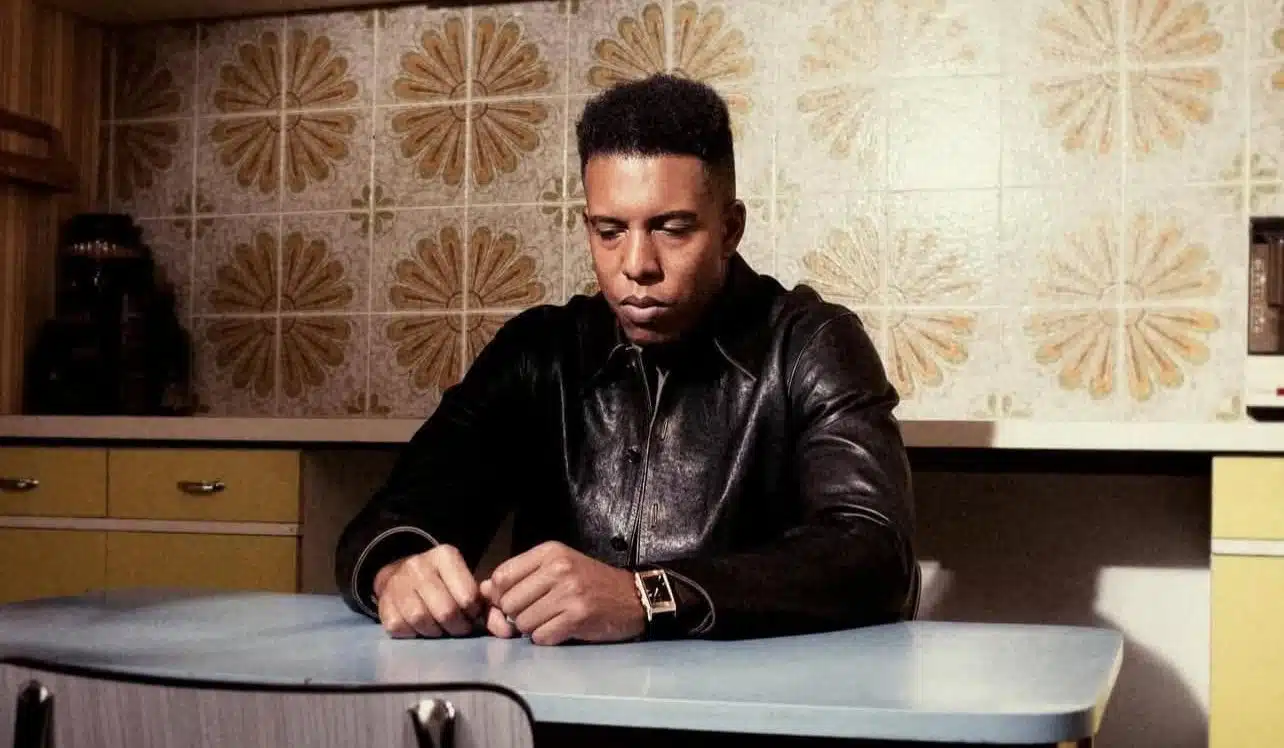
Tokio Myers rose to fame by winning Britain’s Got Talent 2017, captivating millions with his fusion of classical piano and contemporary beats. Fast-forward to today, and the London-born pianist-composer has carved an inspiring post-BGT journey that goes far beyond a simple “where is he now.” Over the past several years, Myers has evolved from reality-show champion to innovative recording artist, mentor, and cultural influencer. Below, we explore his origins and breakthrough, the whirlwind aftermath of his BGT win, his artistic evolution and collaborations, the business realities of sustaining fame, his cultural impact and fan community, and finally what Tokio Myers is doing now – concluding with insights on what his story reveals about the challenges and opportunities of reality TV fame in the 2020s.
Origins and BGT Breakthrough
Humble Beginnings: Born Torville Jones in 1984, Tokio Myers grew up in inner-city London, the only child of working-class West Indian parents[port-magazine.com]. He lived with his family in a tiny 16th-floor council flat and began learning piano at age 9 – a gift that became his “therapist” and escape from a tough environment[port-magazine.com][bigissue.com]. Notably, as an 11-year-old at St. George’s School in Maida Vale, he was practicing piano after hours when his headmaster was tragically stabbed outside; music teacher mentors whisked young Tokio to safety[en.wikipedia.org][bigissue.com]. This formative incident reinforced how music could channel negative energy into something positive – a lesson that kept him out of trouble in a neighborhood plagued by gang violence[bigissue.com][bigissue.com]. Myers earned a scholarship to the Royal College of Music as a teenager, honing his classical skills despite feeling like an outsider (he recalls being the only student of color and from a poor background at the time)[bigissue.com][bigissue.com]. These early experiences of adversity, classical training, and diverse musical influences set the stage for his genre-blending style.
Musical Influences: Growing up, Myers was immersed in classical greats (from Mozart and Rachmaninoff to modern composers like Gustav Holst) as well as the urban music of London[port-magazine.com][port-magazine.com]. He cites Holst’s The Planets suite – with its vividly “big, lush and beautiful” sonic characters – as a key inspiration, alongside the romantic fireworks of Rachmaninoff[port-magazine.com]. At the same time, he absorbed contemporary sounds from hip-hop, R&B, and pop. This eclectic taste later fueled his signature “classical crossover” sound: lush piano melodies overlaid with modern beats and synths[en.wikipedia.org][en.wikipedia.org]. Prior to his BGT breakthrough, Tokio worked behind the scenes as a session musician, even touring with major acts like Kanye West, The Police, and Amy Winehouse in the 2000s[en.wikipedia.org]. These experiences gave him a backstage education in the music industry – including personal lessons from Winehouse on the pitfalls of fame and staying authentic[port-magazine.com][port-magazine.com]. By his early 30s, Myers was poised to step into the spotlight on his own terms.
BGT Audition and Victory: In spring 2017, Tokio Myers stunned the Britain’s Got Talent judges and audience with a jaw-dropping audition performance that encapsulated his style. He sat at the piano and delivered a mash-up of Claude Debussy’s classical piece “Clair de Lune” and Ed Sheeran’s pop hit “Bloodstream,” punctuated with atmospheric sample-pad beats[houseofsolo.com][houseofsolo.com]. The result was “mesmerising… classical piano melodies” seamlessly intertwined with modern rhythm[viberate.com]. Judge Simon Cowell and his peers were floored by Myers’ ability to make the old feel new. Advancing through the competition, he continued to blend genres – at one point mixing Beethoven with Adele in a musical mash-up[bigissue.com][bigissue.com]. In the live Grand Final, Tokio delivered an electrifying medley that has since become famous among fans. He effortlessly fused Hans Zimmer’s epic Interstellar film score with the soulful vocals of Rag’n’Bone Man’s “Human,” creating a “spectacular mash-up” of cinematic atmosphere and pop power[standard.co.uk]. The performance brought the house down and earned him the public vote. When hosts Ant and Dec announced him as the winner, the humble pianist collapsed to the floor in shock[standard.co.uk]. Tokio Myers was crowned BGT Champion 2017, winning a £250,000 prize and a coveted spot at the Royal Variety Performance for the Queen[standard.co.uk].
- BGT Highlights: Tokio’s run on the show included these standout performances:
- Audition: Debussy’s “Clair de lune” reinvented with contemporary beats, segueing into Ed Sheeran’s “Bloodstream” – a blend that left judges speechless[houseofsolo.com].
- Finale: A unique mash-up of Hans Zimmer’s Interstellar theme and Rag’n’Bone Man’s “Human,” showcasing Tokio’s piano virtuosity alongside dramatic cinematic swells[standard.co.uk]. (He even sneaked in a few strains of the actual Interstellar soundtrack for the Zimmer fans in the crowd![standard.co.uk])
This genre-crossing flair – classical technique with pop accessibility – made Tokio Myers a BGT sensation. As judge Alesha Dixon praised, “He performs with his heart… Super talented.”[standard.co.uk] The nation had discovered a new kind of pianist, one as comfortable quoting Debussy as dropping a beat drop.
Immediate Aftermath: Sudden Fame and Debut Album
Winning BGT launched Tokio Myers into an intense year of opportunities. A record deal was part of his prize, and he promptly signed with Simon Cowell’s Syco Music (in partnership with BMG) to begin work on his debut album[bigissue.com][en.wikipedia.org]. By the fall of 2017 – just months after his TV victory – Tokio released his first single, “Bloodstream.” This studio single was actually the full realization of his audition piece, melding delicate piano passages with a pulsing electronic arrangement[en.wikipedia.org]. It served as the lead-in to his debut album Our Generation, which arrived in November 2017[en.wikipedia.org].
Chart Success: Our Generation proved that Tokio’s appeal extended beyond the TV screen. The album entered the Official UK Albums Chart at No. 4, an unprecedented achievement for a debut by a pianist[en.wikipedia.org][houseofsolo.com]. It ultimately earned BPI Gold certification for over 100,000 units sold, marking a commercial triumph for a largely instrumental record[en.wikipedia.org]. Reviewers noted the album’s “stirring” quality and seamless mix of original compositions and creative covers[theedgesusu.co.uk]. Myers himself was proud that, despite his classical training, “my album isn’t a classical album” in the narrow sense[bigissue.com] – it featured everything from Debussy-inspired instrumentals to a piano rendition of Robert Miles’ trance classic “Children.” The success of Our Generation was bolstered by Myers’ growing fanbase and media exposure. In early 2018, he embarked on a sold-out UK tour, playing midsized concert halls packed with a wildly diverse audience of all ages[bigissue.com]. Fans would dance and even cry during the same set – “grown women…dancing and crying at the same time” – as his performances took them on an emotional rollercoaster from rave-like drum breakdowns to gentle solo piano interludes[bigissue.com]. Tokio marveled at this phenomenon, calling it “beautiful… that’s the power of music.”[bigissue.com]
Media & Awards: In the months after BGT, Myers became a familiar face on British TV and the live music circuit. He guested on The X Factor in November 2017, performing his haunting piano track “Angel” on primetime television[en.wikipedia.org]. Come June 2018, he was a headline performer at the relaunched Classic BRIT Awards (Royal Albert Hall), where he was honored as Breakthrough Artist of the Year[bigissue.com]. Remarkably, he led the nominations alongside industry legends – sharing categories with the likes of Dame Vera Lynn and film composer Hans Zimmer – highlighting how far he’d come in one year[bigissue.com]. That night he took home the Classic BRIT and cemented his credibility in the classical-crossover genre. In interviews, Tokio remained humble about the accolades, stressing that material success isn’t his driving force: “What is that stuff? I can’t take it with me… Life is about being happy.”[bigissue.com][bigissue.com] This mindset would guide how he handled fame’s pressures.
Personal Life Changes: Amid the whirlwind, Myers also kept an eye on giving back. He announced he would donate a large portion of his £250,000 BGT prize toward establishing a music school for youth from disadvantaged backgrounds[viberate.com]. (His own life was changed by free musical education, and he was determined to pay it forward.) In June 2017, he had participated in the star-studded “Artists for Grenfell” charity single, contributing piano to a rendition of “Bridge Over Troubled Water” that hit No.1 in the UK and raised funds for victims of the Grenfell Tower fire[en.wikipedia.org][en.wikipedia.org]. This set the tone for his post-BGT priorities: using his new platform to inspire and help others. By late 2018, after a year of constant touring and promotion, Tokio deliberately pumped the brakes. Having achieved a bestselling album and national recognition, he stepped back from the spotlight to recalibrate his artistic goals – and to focus on his growing family (he married and would soon welcome a child). This downtime laid the groundwork for the next phase of his career.
Artistic Evolution: Innovation Beyond the First Album
Where many reality-show winners feel pressure to churn out quick follow-up projects, Tokio Myers took a different path. He vanished from the album charts for a few years, but he was far from idle. Instead, Myers spent time experimenting in the studio, expanding his musical palette, and drawing inspiration from major life events. As he puts it, “I took the time to get inspired… and soak up all the joy of becoming a dad.”[houseofsolo.com][houseofsolo.com] In 2019, he even crossed the pond to compete in America’s Got Talent: The Champions, an international spin-off featuring all-star acts. For his U.S. debut, Tokio performed a spellbinding Debussy/Ed Sheeran medley (“Clair de lune” again flowing into “Bloodstream”) on piano and drums[en.wikipedia.org][en.wikipedia.org]. He didn’t advance to the finals, but he returned as a guest in the finale, playing a rousing EDM-infused piece called “All We Got” with a children’s choir – effectively introducing himself to an American audience[en.wikipedia.org]. That same year, he guested on the main America’s Got Talent stage alongside Stewart Copeland (drummer of The Police) for a special performance[en.wikipedia.org]. These appearances underscored Myers’ international appeal and willingness to step outside his comfort zone.
Singles and Collaborations: During his “quiet” years (2019–2021), Tokio Myers actually released a string of innovative singles and collaborations that showed his evolution as a musician. Notably, he teamed up with acclaimed UK rapper Akala for the hard-hitting track “Enter the Jungle” (2019) – a powerful piece that pays homage to Black struggles and the fight against injustice, combining Myers’ dramatic piano with Akala’s spoken-word social commentary[viberate.com][viberate.com]. He also flexed his producer muscles by remixing Clean Bandit’s hit “I Miss You” into a “hauntingly beautiful” classical-electronic fusion[viberate.com]. In 2020, he dropped twin singles “Sign of the Times I” and “Sign of the Times II,” reflective instrumental pieces capturing the turbulent mood of that year (the very title hinting at the pandemic-era upheaval, though these were not widely publicized).
Perhaps his most high-profile project in this period was “Victory (My Destiny)” (2021) – an unlikely but thrilling cross-genre collaboration. For this track, Myers partnered with Kodo, the world-renowned Japanese taiko drumming ensemble, and UK rapper Ivorian Doll. The resulting song layers booming traditional taiko drums, Tokio’s piano and production, and hip-hop verses into an epic anthem. “Victory” was featured as the opening music for the BBC’s coverage of the Tokyo 2020 Olympic Games opening ceremony (broadcast in July 2021)[kodo.or.jp]. Millions heard Myers’ handiwork kicking off the Olympics – a testament to how far his reach had grown. The song appears on Kodo’s curated album Together, symbolically uniting East and West in sound[kodo.or.jp]. These ventures into world music and sports anthems show Tokio’s bold artistic stretch beyond the confines of a typical pianist.
Comparing Trajectories: Tokio Myers’ post-BGT path diverged significantly from many of his talent-show peers. While other winners from the Cowell stable have often struggled to sustain momentum or stuck to formulaic covers, Myers actively sought creative leaps over comfort zones[port-magazine.com]. For example, 2007 BGT winner Paul Potts (an opera singer) had early chart-topping albums but remained squarely in classical-pop; by contrast, Myers collaborated with grime and EDM artists, refusing to be pigeonholed. As Port Magazine observed, “other artists from the Simon Cowell stable have tended to stagnate,” but Tokio “took creative leaps” driven by experimentation over status quo[port-magazine.com]. In this sense, he aligns more with modern classical-crossover artists like Lindsey Stirling or 2Cellos – performers who blend classical instrumentation with contemporary flair to keep the genre fresh – and with innovative composers like Max Richter or Ludovico Einaudi, who appeal to younger audiences via streaming. Indeed, the timing of Tokio’s rise coincided with a resurgence of interest in crossover classical music. In early 2018, UK classical streams jumped 52%, exceeding 10 million weekly, and industry analysts partially credited the “massive exposure Myers had” for acting as a gateway for new listeners[bigissue.com]. He humbly jokes that he hadn’t realized not everyone grew up hearing classical music until fans told him he introduced them to Debussy[bigissue.com]. By mixing Debussy with Ed Sheeran or Beethoven with Adele in his songs[bigissue.com][bigissue.com], Myers helped classical music shake off its dusty image and enter playlists of a new generation.
Second Album – Awake but Dreaming: After a long gestation, Tokio Myers re-emerged in 2024 with a highly anticipated sophomore album titled Awake but Dreaming: Opus 1. Far from a commercial pop record, this project is an intimate instrumental journey, born from profound personal events. During the album’s creation, Tokio experienced the death of his father (in January 2024) and the birth of his first child, a daughter named Malaya[port-magazine.com]. These bittersweet life changes imbue Awake but Dreaming with a contemplative, emotional depth. Myers describes the music as carrying a “sombre yet celebratory tone – a lot like attending a memorial service where you don’t know whether to cry or smile”[port-magazine.com]. He intentionally slows down the pace in these compositions (hovering around 55–65 BPM) so that “no note is wasted”, letting each chord resonate with feeling[port-magazine.com][port-magazine.com]. The album’s pieces draw on elemental imagery of wind and water: for instance, “Waves Étude No.1” has a flowing key structure that replicates the movement of the ocean[port-magazine.com], while “Spirit in the Wind” imagines a soul taking flight beyond the clouds[port-magazine.com]. In a very personal touch, Tokio even embedded voice-note snippets of baby Malaya “freestyling” on her dad’s piano into several tracks, creating a time capsule of fatherhood in sound[port-magazine.com][port-magazine.com]. The first single, “Malaya’s Song (Lullaby),” was literally recorded as an impromptu iPhone memo at home while he was redecorating the living room – and that raw first take is what ended up on the album because it captured the pure emotion of new parenthood[houseofsolo.com][houseofsolo.com].
Musically, Awake but Dreaming leans into Tokio’s classical side more than ever, even as it remains genre-blending. He cites the influence of Holst’s The Planets on the album’s grand, otherworldly feel[port-magazine.com]. He’s also inspired by Joe Hisaishi (composer of Studio Ghibli film scores) and envisions venturing into film scoring himself as a natural next step[port-magazine.com]. Not one to abandon his modern roots, Myers revisited some earlier material through a new lens: for example, he took a piece he wrote in lockdown and released “Waves Étude No.1 (Alt. Version)” in 2024, now augmented with eerie bass and distant screams to channel the raw grief of losing his father[houseofsolo.com][houseofsolo.com]. The result, as one reviewer noted, is a “deeply personal piano arrangement” layered with “ethereal vocals and eerie sounds” adding character and depth[houseofsolo.com][houseofsolo.com]. Through all these experiments, Tokio Myers has transformed himself from a TV contest winner into a genuine musical innovator. Seven years on from BGT, he’s written more material than ever, lived through love and loss, and even made lifestyle changes (he proudly shared in mid-2024 that he’d gone 9 months sober to improve his clarity and wellbeing)[houseofsolo.com][houseofsolo.com]. In his own words, “I’m not 20 anymore – I partied hard, but now I don’t feel the need to drink”, as he focuses on family and art[houseofsolo.com][houseofsolo.com]. All these experiences feed into the maturity of his new music. Today, Tokio Myers stands at a creative crossroads – not content to rest on BGT laurels, but charting a unique path that bridges classical tradition and contemporary sensibilities.
Sustaining Success: Business and Industry Realities
Breaking into the music industry via a reality show is one thing; building a lasting career beyond the TV hype is another challenge altogether. Tokio Myers’ post-BGT journey offers a case study in the economics and strategies of sustaining momentum after a talent show win.
Album Sales & Streaming: Tokio’s initial commercial success with Our Generation (2017) gave him a strong foundation – a Top 5 album and Gold sales in the UK[en.wikipedia.org][en.wikipedia.org]. However, the long gap before his second album meant navigating the era of streaming to keep listeners engaged. Myers hasn’t chased quick chart hits; instead, his songs have found a steady audience online. His most popular track, “Bloodstream,” has amassed nearly 13 million streams on Spotify[open.spotify.com], indicating that the wow moment from his BGT audition continues to resonate in the digital realm. On Spotify he attracts around 50,000 monthly listeners globally[open.spotify.com][viberate.com] – a respectable figure for an instrumental crossover artist, if not mainstream pop-star numbers. These streams, along with physical sales to his devoted fanbase, help generate income, but it’s clear Myers is operating in a niche market. In fact, the classical-crossover niche has proven surprisingly robust on streaming platforms: younger listeners have “rediscovered” classical sounds via curated playlists and algorithmic suggestions, an ecosystem that Tokio’s music is part of[bigissue.com][bigissue.com]. Rather than dominating Top 40 charts, he often appears on mood-based or genre playlists (e.g. “Peaceful Piano” one moment, “Epic Scores” the next), giving his compositions a long tail of relevance. Industry data shows that classical and instrumental music thrives in the streaming age due to these new listening habits[bigissue.com][bigissue.com] – something Myers himself noted: “with streaming sites, people hit play and let the internet dictate where they travel to”, breaking down old genre silos[bigissue.com][bigissue.com]. This has worked in his favor, bringing in listeners who might not have sought out a “piano album” but get pleasantly surprised by one of his emotive tracks in their mix.
Touring and Live Shows: Live performance has been at the heart of Tokio Myers’ career sustainability – both financially and in maintaining fan engagement. Immediately post-BGT, he headlined a national tour, filling venues across the UK (often 1,000-3,000 seat theaters) with those famously diverse crowds[bigissue.com]. In addition, he hit the summer festival circuit: in 2018 alone he wowed massive crowds at events like the Isle of Wight Festival, where his set was singled out as an “incredible performance” that left an impression[viberate.com][viberate.com]. He has also performed at eclectic festivals such as Rize, Camp Bestival, and Standon Calling, bringing classical crossover to open-air stages[viberate.com]. These festival gigs not only pay artists but also expose them to new audiences – many rock and pop festival-goers were likely intrigued by the sight of a pianist commanding the stage with such energy. Tokio further demonstrated his live versatility by playing at unique venues: in one special 2019 show, he performed with a full live orchestra at Lulworth Castle in Dorset, marrying his piano-led songs with symphonic arrangements for a one-of-a-kind concert[viberate.com]. On the other end of the spectrum, he’s played intimate club venues like Gorilla in Manchester, showing he can scale down and still captivate[viberate.com].
Even during his “off-record” years, Tokio stayed active live. In late 2022, he took on one of his biggest stages yet – performing at an event during the FIFA World Cup in Qatar, where he played to a crowd of 40,000 people[houseofsolo.com][houseofsolo.com]. This was a huge spotlight (and likely a lucrative private booking) that proved Myers remains in demand for global events. Similarly, having his music open the Tokyo Olympics TV broadcast gave him worldwide exposure and solidified his reputation for delivering grand, inspirational sounds on big occasions[kodo.or.jp]. Looking at the business side, these large-scale events and corporate gigs (for instance, he has entertained at high-end brand events, including an exclusive show in Istanbul for Cartier in 2023) can be significant income streams for a musician who isn’t constantly topping charts. Tokio has smartly positioned himself in a luxury niche where brands and event organizers see value in his sophisticated yet contemporary appeal.
Brand Partnerships: Indeed, brand collaborations have become a notable part of Myers’ post-BGT career. Early on, he aligned with Yamaha Music and Transport for London in a project called #Platform88 – an initiative that placed pianos in London Underground stations for the public to play[dadbloguk.com][dadbloguk.com]. At the 2017 launch event (a secret gig in a Tube station), Tokio performed and helped unveil moving pianos that would travel to different stations, aiming to inspire everyday commuters to make music[dadbloguk.com][dadbloguk.com]. This project not only generated positive PR and community goodwill, but also linked Myers with Yamaha (a top instrument manufacturer) which could be a sponsor relationship for gear and promotion. In recent years, Tokio entered the world of luxury branding as well. In 2024 he became part of Jaeger-LeCoultre’s “Made of Makers” campaign, a series by the Swiss luxury watchmaker that pairs artists with the theme of craftsmanship and time[port-magazine.com][port-magazine.com]. Myers even composed an original piece for JLC, exploring the symbiosis between keeping musical time and horological time – a natural fit given his meticulous, rhythmic craft[port-magazine.com][port-magazine.com]. He noted the fun coincidence that at the Jaeger-LeCoultre Swiss workshop he was asked to wear a white lab coat, just like sound engineers at Abbey Road Studios do, underscoring the parallel between watchmakers and musicians striving for precision[port-magazine.com]. By appearing in JLC’s campaign (and donning their high-end watches in photoshoots[port-magazine.com][port-magazine.com]), Tokio tapped into a new audience of luxury consumers and benefitted from the sponsorship income/visibility. These kinds of brand deals – tasteful and aligned with his artistic image – illustrate how reality-show alumni can leverage their fame in the commercial sphere without “selling out” their artistry.
It’s also worth noting that Myers’ status as a stylish, genre-blending pianist has made him something of a minor style icon; he’s been featured in fashion/music crossover magazines and dressed by brands like Dior and Dunhill in editorial spreads[port-magazine.com][port-magazine.com]. This opens additional avenues (modeling, endorsements) that can supplement his music earnings. Tour economics for an artist like Tokio likely involve a mix of moderate ticket sales and these strategic partnerships. While he may not be filling arenas solo, he has proven able to sell out multiple nights at mid-sized venues, and his 2024 “Awake but Dreaming” tour – billed pointedly as his “debut solo classical piano tour” – was a success in the UK, indicating strong demand for his live presence[facebook.com]. By keeping production costs lean (often just him, his keyboards, and some visual effects on stage) and delivering high-quality performances, Tokio has maintained a reputation that “your album was good, but you’re even better live”[houseofsolo.com][houseofsolo.com] – a crucial factor in getting fans to repeatedly buy concert tickets. In an era when touring is one of the main revenue sources for musicians, his commitment to beating the album experience on stage is shrewd business.
Reality Check: The industry realities haven’t all been rosy. Tokio Myers took a risk by not immediately pumping out a second album or plastering himself on every media opportunity after 2018. This slower approach to his recording career could have led to public forgetfulness – and indeed, by the time he released new music in 2020, the mainstream buzz had quieted. There’s a constant pressure for reality show winners to justify their relevance; some alumni end up on reunion specials or nostalgia circuits when the pop charts move on. Myers avoided gimmicky TV comeback attempts (aside from the AGT: Champions, which was more of an international expansion move) and instead quietly built his craft. Financially, this likely meant a period of lower profile income – reliant on session work, composing, and selective gigs – rather than capitalizing on fame with a quick second album or Christmas single. However, his prudent management (and presumably advice from his team) allowed him to weather the downtime. He diversified his activities (from writing filmic pieces to collaborating on projects like the Kodo album) which kept him professionally active.
Another challenge for sustaining momentum is the collapse or shift of initial support structures. For instance, Simon Cowell’s Syco label, which released Our Generation, underwent restructuring in subsequent years (Syco Music actually downsized around 2020). Artists in that stable could have been left in limbo. It appears Myers navigated this by affiliating with other partners – his 2024 album is released via a different setup (it’s listed under Universal/Absolute in distribution[amazon.com][ebay.com]). Adapting to such industry changes is key. In Tokio’s case, his alliance with BMG for publishing rights from early on[en.wikipedia.org] ensured he retained some control and could license his compositions for projects like the Olympics or TV, providing ongoing royalty streams even when he wasn’t releasing albums.
In summary, Tokio Myers has managed the economics of post-reality TV stardom by creating multiple revenue and exposure streams: solid album sales (especially physical) to a core audience, streaming to a global niche listenership, dynamic live tours and festival appearances, high-profile one-off events, and brand/collaborative ventures. This multifaceted approach is increasingly common for modern artists, reflecting the fragmented way music fame works in the 2020s. It’s not about dominating one chart; it’s about being present in many places – from Spotify playlists to YouTube live clips to branded content – in a way that feels authentic to the artist’s identity.
Cultural Impact and Fan Community
Tokio Myers’ influence extends beyond sales and awards – he has made a cultural impact, inspiring fans and contributing to causes in meaningful ways. From the beginning, part of Tokio’s appeal was how he shattered stereotypes: here was a young Black British man, classically trained on piano, effortlessly blending Beethoven with hip-hop and attracting “all types of people of all ages” to classical music concerts[bigissue.com]. In an industry that often boxes performers into genres, Myers has shown that audiences are hungry for genreless music experiences. Fans frequently speak of how Tokio’s music moves them on a deep level. It’s not unusual at his concerts to see elderly classical aficionados seated next to club-going youths, all equally entranced. As Myers proudly observed, “they’ll be singing lyrics that are sad and reflective, dancing and crying at the same time” during the big drum-and-piano numbers[bigissue.com][bigissue.com]. This emotional resonance – people literally in tears because a piano melody over a dance beat reminded them of something – is a testament to his ability to connect across demographic lines. In the age of fragmented fanbases, Tokio has cultivated a community of listeners who bond over the fusion of worlds his music represents.
Online, his fan community (approximately 100k followers on Facebook and over 380k YouTube subscribers as of recent counts[viberate.com]) engages with content like his music videos, behind-the-scenes clips, and even piano tutorials he occasionally shares. He’s often called “The Piano King” on social media – a nickname embraced in his Instagram handle – and fans post covers of his songs or tag him in their own piano performances he’s inspired[instagram.com][instagram.com]. This speaks to his role as a mentor figure: many young pianists, especially those from minority or non-traditional classical backgrounds, see Tokio Myers as proof that they can make classical music cool and culturally relevant. His visibility has dovetailed with a broader movement of making classical instruments accessible to underrepresented groups (for instance, around the same time, prodigy cellist Sheku Kanneh-Mason made waves playing at the Royal Wedding). Tokio’s story – a kid from a rough neighborhood who made it to the Royal College of Music and beyond – inspires the next generation to pursue music regardless of background.
Myers has also been directly involved in education and charity efforts to empower young musicians. His pledge to use his BGT winnings to open a music school underscores this commitment[viberate.com]. While an independent Tokio Myers Music Academy has yet to materialize (building a school takes time and institutional support), he has consistently lent his voice and funds to music education causes. He has worked with organizations like the London Music Fund, donating instruments (as seen in Platform88 where pianos were given to schools after the project)[dadbloguk.com], and he frequently speaks out against government cuts to arts programs. “It’s such a shame… I’ll do everything I can,” he said in mid-2024 regarding extensive cuts to music education in the UK[houseofsolo.com][houseofsolo.com]. Myers articulated that removing creative arts from youth is “cruel… we’re here to create in all forms”, warning of consequences if kids lose those outlets[bigissue.com][bigissue.com]. This advocacy has made him something of a spokesperson for the importance of music in schools.
Tokio also hasn’t forgotten the individuals who helped him. Famously, after his BGT win, he publicly thanked his old music teacher who guided him as a youth – even crediting that teacher for saving his life the day of the headmaster’s murder, and for instilling discipline through music[en.wikipedia.org][bigissue.com]. He’s paid homage to that influence by adopting a mentoring attitude himself. For example, in one delightful incident, he recorded a personalized video message to encourage an 8-year-old girl who was reluctant to practice piano, telling her she was “inspiring” and he hopes to see her on stage someday[dadbloguk.com][dadbloguk.com]. Gestures like these have endeared him to parents and young fans, showing he genuinely cares about nurturing talent, not just performing for applause.
Culturally, Myers has become symbolic of a new breed of artist who is proudly multicultural in his influences. In interviews, he often reflects on his roots – from reggae and R&B that he heard at home to the classical canon he studied – and how that mix shapes his sound[port-magazine.com]. At a time when conversations about diversity and representation in classical music are front and center, Tokio’s success sends a powerful message. He once noted that at RCM he felt “looked down upon” for being a poor Black kid among wealthy peers, and he rebelled by wearing his hair in a big afro and donning casual clothes instead of the typical blazer – carving out space for himself on his own terms[bigissue.com][bigissue.com]. Now, the scene at his concerts – where you might see a young Black boy in the audience watching a Black man dominate a grand piano on stage – is something that would have been rarer in past decades. Representation matters, and Tokio Myers is well aware of the trail he’s blazing. He’s expressed joy that institutions like RCM are more diverse today and that classical venues are opening up to new sounds[bigissue.com].
Furthermore, through tracks like “Enter the Jungle,” which explicitly references social and racial issues, Myers has used his art to contribute to cultural conversations[viberate.com]. He isn’t overtly political in persona, but he chooses collaborations (like working with Akala, known for activism) that have substance. This gives his work an additional layer of relevance in the cultural landscape – it’s not just pretty piano music; it’s music that can carry messages or unite people. Even the Together project with Kodo and a female rapper, melding different cultures, had an undertone of global unity through art[kodo.or.jp].
Finally, Tokio’s fan community could be described as quietly passionate. Unlike pop idols with loud fandoms, Myers’ supporters show their love in heartfelt ways – writing comments about how a certain piano piece helped them through grief, or how seeing him on BGT inspired them to start piano lessons again after many years. In concerts, he often mingles and takes photos with attendees (as seen at the Platform88 subway show, where he happily posed with fans after brightening commuters’ day with an impromptu performance)[dadbloguk.com]. He runs his social media with an emphasis on positivity and respect – his tagline: “It’s all about respect to the music, respect to the art & respect for each other!”[instagram.com] – fostering a welcoming community ethos. In an industry that can be cutthroat, Tokio Myers’ fan relationships feel refreshingly genuine and wholesome.
Current Status and Future Outlook
As of 2025, Tokio Myers stands at an exciting juncture in his career – both reflecting on how far he’s come since 2017 and looking ahead to new horizons. So, what is Tokio Myers doing today?
New Music and Projects: The headline update is his 2024 album Awake but Dreaming: Opus 1, which marks his return to the studio album format after seven years. Released in May 2024, this 17-track album is being described as Tokio Myers at his most “vulnerable, honest and achingly emotional”, heavily inspired by becoming a father and by personal introspection[ebay.com][port-magazine.com]. It’s essentially his “debut solo classical” record – meaning it leans more purely into piano compositions – and he has treated it almost like a re-introduction of himself as an artist. The album was accompanied by a UK tour in spring 2024, also titled “Awake but Dreaming”, where Tokio performed in beautiful concert halls and intimate venues, often alone at the piano under tasteful lighting and visuals[facebook.com]. Fans and critics noted that the live experience was immersive and deeply moving, validating Myers’ intention “to beat the album live” with cinematic soundscapes and high production values on stage[houseofsolo.com]. The tour doubled as a way to premiere much of the new material – in fact, he took the songs on the road before the album’s release, which is somewhat unconventional but speaks to his confidence in their impact (and perhaps a savvy way to drive word-of-mouth among his core fans)[facebook.com][facebook.com]. By all accounts, Tokio’s passion for live performance hasn’t dimmed; if anything, he’s enjoying being back on stage after the pandemic lull, stating “I’m just enjoying being back out there… releasing lots of new music because people haven’t heard new music from me in a long while! It’s for them as much as for me. We all need this, and I need this.”[houseofsolo.com].
Beyond the album, Tokio Myers is expanding into new creative territories. In interviews he has expressed a strong desire to compose for film and television, seeing it as a natural next step for his cinematic style of music[port-magazine.com]. “That’s a big dream of mine,” he said, revealing that when he writes music he often projects visuals on a screen in his studio for inspiration[port-magazine.com][port-magazine.com]. Don’t be surprised if in the coming years you hear a Myers score in a movie or TV drama – his emotive, atmospheric sound is well-suited for it. He’s already dipped his toes in that water by scoring short films for campaigns (like the Jaeger-LeCoultre project) and by contributing to thematic pieces for events (Olympics, etc.), which is excellent practice for full-length scoring.
Tokio also remains active as a producer and collaborator. He mentioned that he’s been “producing for other artists” behind the scenes[port-magazine.com], though specific projects haven’t been publicized. It wouldn’t be surprising if he’s writing or producing tracks for emerging singers or working on cross-genre collaborations that we’ll see released under different names. Given his wide network (from classical circles to pop/rap artists), he has the versatility to jump into various roles – whether it’s laying down a piano riff for a dance producer or arranging strings for a pop ballad. This kind of work may not always bear his name upfront, but it’s part of how he is likely sustaining a long-term career in music, using his skills beyond his own albums.
What’s next? In terms of concrete plans, Tokio Myers seems poised to continue balancing his personal life with his artistic ambitions. He’s now in his early 40s, with a young daughter who clearly is the light of his life (little Malaya even gets a co-credit of sorts on his album for her cameos). Fatherhood has given him a new perspective – he’s mentioned that “Now our bond is incredible – she’s my best friend”[houseofsolo.com][houseofsolo.com] – and it may influence the opportunities he takes (for instance, he might not do as many months-long tours away from home, focusing instead on select performances or compositional projects he can do from a studio). However, fans will be excited to know that his creative fire is burning bright. During his hiatus he wrote a ton of material and experimented deeply, so he likely has more than just one album up his sleeve. The subtitle Opus 1 hints there could be a series (perhaps Awake but Dreaming Opus 2 in the future) – a continuation of exploring classical piano works in a modern context.
He has also teased that he wants to keep releasing “lots of new music” now that the engine is restarted[houseofsolo.com]. If he follows the pattern of some contemporaries, he might drop more frequent singles or EPs rather than waiting years between albums, in order to keep up momentum. In fact, in 2021–2022 he quietly released a pair of EPs titled Our Generation II and III in the digital sphere (with tracks like “Slow Falling (Tears)”), which suggests he’s not averse to shorter-format releases when it suits.
On the live front, after the successful 2024 run, we can expect Tokio to announce more dates – perhaps a European tour leg or appearances at international arts festivals (e.g. Montreux Jazz, or film festival galas if he scores a film). He’s already had a taste of global touring during his time supporting other artists; now with two albums of his own, he could venture to North America or Asia for solo shows where there are known pockets of fans (his YouTube analytics and streaming data might guide him here – for instance, if his Spotify listeners in the US or Germany are significant, he might play showcases in New York or Berlin). Moreover, given his love for collaboration, it wouldn’t be surprising to see him grace stages alongside orchestras (imagine “Tokio Myers with the BBC Symphony Orchestra” at Royal Albert Hall) or alongside contemporary acts (maybe a joint tour with another crossover artist or a special guest spot in a pop artist’s concert).
In assessing his long-term legacy, it’s clear Tokio Myers has already secured a place in the modern British music tapestry. He will likely be remembered as one of BGT’s most musically credible winners – someone who took the platform and elevated it into genuine art rather than fading into reality TV trivia. He’s frequently mentioned in the same breath as pioneering crossover stars and is often held up as an example that shows like BGT can produce artists with international and enduring appeal (most BGT winners do not sustain album-chart success beyond their debut, but Tokio bucked that trend with critical acclaim and a second wind in 2024). In the UK, his influence in the classical crossover scene will persist; he’s inspiring a wave of young pianists and producers who see that you can embrace classical roots without being pigeonholed. Globally, he might become part of that lineage of composers who straddle entertainment and classical art – if his film score ambitions pan out, that could define the next chapter of his career and introduce him to entirely new audiences.
Tokio’s personal brand – positive, inspirational, innovative – also means he could transition into roles like mentorship and media. Don’t rule out seeing him as a judge or mentor on a music show someday, or fronting a documentary about music education (he’d be a natural host for a program on bringing music to youth). His eloquence about the importance of creativity and his own backstory give him authority to speak on such matters, and he’s already been featured in programs and panels on these topics.
In summary, today Tokio Myers is an active musician-composer, promoting his new work and performing, while laying groundwork for future creative ventures (scoring, collaborations). He appears to be striking a healthy balance – focusing on what he loves (family, piano, meaningful projects) and shunning the superficial trappings of fame. As he said recently, “The only ambition I have is to stay happy and keep doing what I love”[bigissue.com]. If he continues on this path, his long-term legacy could be as an artist who not only bridged musical genres, but also bridged the gap between the highbrow and the popular, the past and the future – leaving an indelible mark on the music landscape.
Conclusion: Lessons from Tokio Myers’ Post-BGT Journey
Tokio Myers’ evolution from reality TV winner to respected musical innovator offers a revealing window into the challenges and opportunities of reality-show fame in the 2020s. His journey underscores several key lessons:
- Initial Exposure vs. Long-Term Artistry: A show like Britain’s Got Talent can catapult an artist into the spotlight overnight (Tokio went from playing in the shadows to winning in front of 10 million viewers[viberate.com]). This exposure is a massive opportunity – providing a platform, fanbase, and industry connections that emerging artists normally struggle for years to attain. However, Tokio’s story shows that sustaining success requires moving beyond the “TV contestant” label. He had to prove that he wasn’t just a fleeting novelty, but a true artist with something unique to say. By focusing on his craft – taking years to refine a second album rich with personal meaning – he demonstrated authenticity and depth. This likely forfeited some short-term fame (casual audiences may have moved on in the interim), but it earned him longevity and respect. The takeaway: reality-show fame is a springboard, but not a guarantee; an artist must back it up with genuine talent and continuous growth to remain relevant.
- Reinvention and Experimentation: Tokio Myers took full advantage of the creative freedom his win afforded him. Rather than sticking to a single formula (which might have been safer commercially in the short run), he continually reinvented his sound, collaborating across genres and pushing his own boundaries. This is a valuable lesson for any artist in the 2020s: the industry now rewards versatility and the ability to surprise audiences. Fans have limitless options at their fingertips; to keep their attention, an artist should be willing to experiment and evolve. Myers’ collaborations – with rappers, taiko drummers, pop producers – also highlight the collaborative spirit of the current music era. He didn’t silo himself; he cross-pollinated fanbases, which in turn kept different groups interested in his journey. Reality-show alumni who fail to evolve often fade into obscurity, but those like Myers who treat each new project as a reinvention can carve out a distinct identity separate from the show. In his case, many people now identify him first and foremost as “that amazing pianist-composer,” with BGT as an afterthought – a sign he successfully transitioned to being known for his art rather than just his TV story.
- Balancing Commerce with Art: Tokio’s path illuminates the tightrope walk between commercial pressures and artistic integrity. He was fortunate to have a record deal and public goodwill right after BGT, but he didn’t succumb to releasing something he wasn’t proud of just to “cash in” on fame. At the same time, he did engage with the industry strategically – performing at the right events, accepting brand partnerships that aligned with his image, and maintaining a presence through singles and media when needed. The modern reality-star-turned-artist has to wear many hats: recording artist, live performer, content creator, brand ambassador, and sometimes educator/advocate. Tokio Myers managed to wear these hats without losing sight of his core passion (the music itself). His story reveals that it’s possible to monetize one’s fame (e.g. via partnerships like Jaeger-LeCoultre) without diluting one’s brand – as long as you choose opportunities that reinforce your artistic story rather than contradict it. By channeling funds and attention from those commercial ventures into his creative projects and charitable efforts, he turned potentially cynical “fame capital” into something productive and positive.
- Community and Purpose: One striking aspect of Tokio’s journey is his strong sense of purpose and grounding. Reality TV fame can be overwhelming and often isolating, but he stayed connected to his roots – literally going back to thank his school teacher, and figuratively by remembering why he started music in the first place. He’s leveraged his platform to advocate for music education and to inspire young musicians, which in turn reinforces his own sense of mission. In the 2020s, audiences gravitate toward artists who stand for something and give back. Tokio’s genuine commitment to others (from the Grenfell charity single to encouraging kids online) has likely solidified fan loyalty in a way that mere hit songs cannot. It’s a lesson that fame is more fulfilling and sustainable when tied to a community or cause; it also guards against the mental pitfalls of fame by keeping the artist outward-looking. His mantra that “Life is about being happy” and not chasing hollow success[bigissue.com] is a healthy counterpoint to the often ruthless competition of reality TV.
- Navigating the 2020s Media Landscape: Tokio Myers’ post-BGT trajectory also highlights how the media and music landscape of the 2020s differs from prior decades. He utilized digital platforms (streaming services, YouTube, social media) to maintain his presence even when he wasn’t on mainstream TV or radio daily. In previous eras, an artist who stepped away for a couple of years might have been forgotten, but today one viral video or curated playlist feature can reignite interest. Myers embraced high-quality video content (his official performance videos and visually striking music videos continue to attract viewers), ensuring that new fans “discover” him online all the time. Additionally, his example shows the globalization of opportunity – being invited to America’s Got Talent: Champions, playing globally-streamed events, etc., mean a talent-show star from Britain can parlay that into international recognition more easily now. The flip side is that the competition is global too; artists must contend with a world of content. Tokio’s unique proposition – blending genres in a heartfelt way – gave him a niche that travels well across borders, which is something reality-show contestants might consider when shaping their post-show careers.
In the end, Tokio Myers’ journey reveals a hopeful message about reality-show fame in the 2020s: it can be the beginning of a legitimate, enriching career – not just a 15-minute flame that burns out – if approached with vision, hard work, and authenticity. There will be hurdles: the need to constantly validate one’s credibility, the challenge of maintaining momentum in a fast-moving digital world, and the pressure to diversify income without losing artistic focus. Myers encountered all of these and navigated them in a way that stayed true to who he is. He turned a talent show win into a platform for innovation and positive influence. His story shows that winning a show is not a crescendo, but a launchpad – and what matters is how you soar after liftoff. As Tokio himself might advise his younger self, “Don’t be afraid of failure or to try new things… Never look back!”[port-magazine.com]. By embracing that mindset, he’s crafted a post-BGT legacy that is still very much unfolding – a testament to resilience and creativity in the ever-evolving landscape of modern music fame.





Leave a Comment